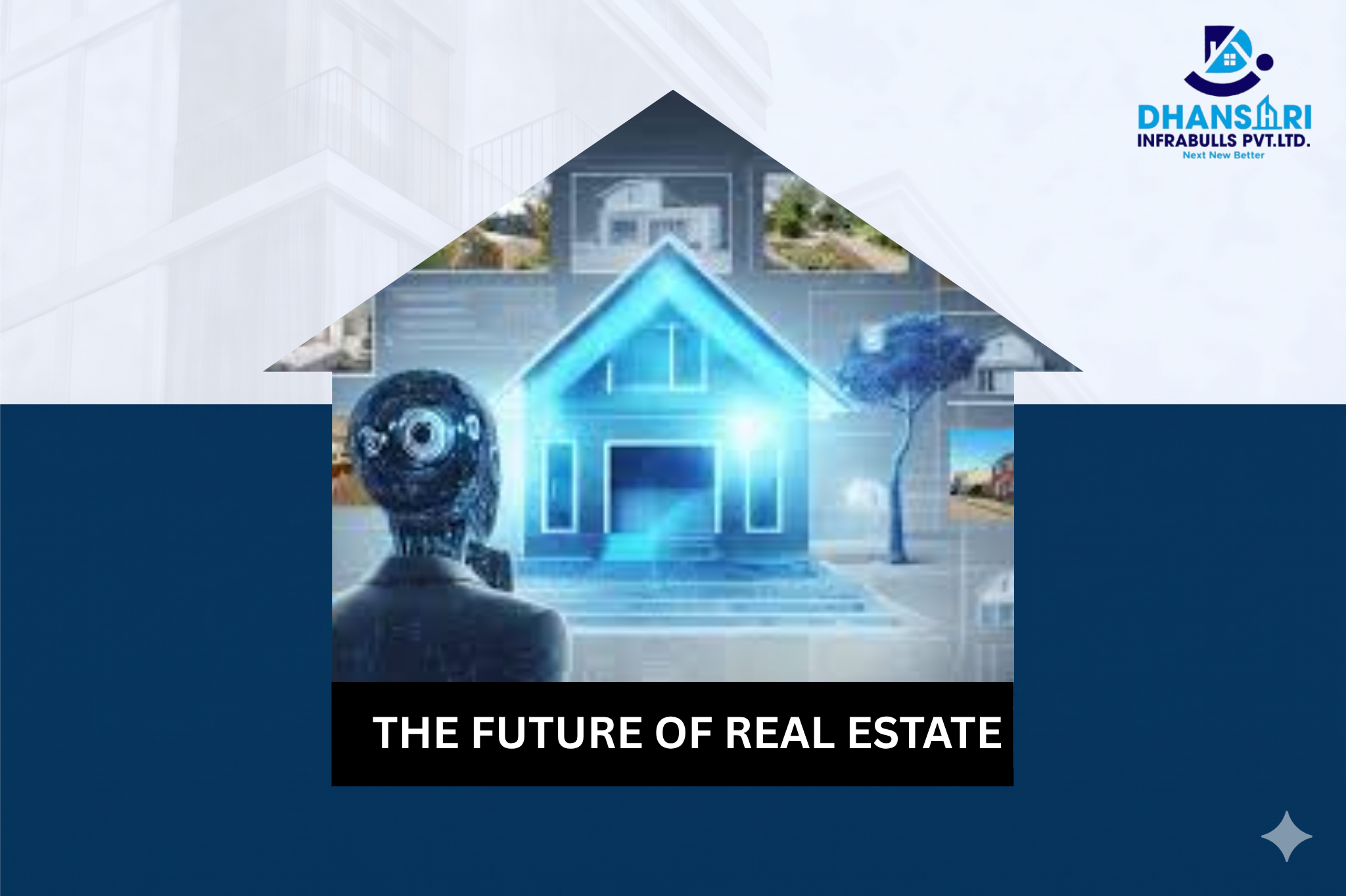
THE FUTURE OF REAL ESTATE
THE FUTURE OF REAL ESTATE
The Indian real estate market is growing very fast. Real estate industry is expected to account for 13% of nation's GDP.by 2025 as it has been expecting a faster grwoth. This industry growth is going to be dynamic and transformative. It will be shaped by many factors including ---
1. EMBRACING TRANSFORMATION IN A DIGITAL AGE
- The landscape of real estate is poised for significant transformation in the coming years, driven by technological advancements, shifting demographics and evolving consumer expectations. As we stand on the brink of a new era, the traditional norms of buying, selling, and inhabiting property are undergoing a profound metamorphosis.
2. TECHNOLOGICAL ADVANCEMENTS REDEFINING REAL ESTATE
- Virtual Reality and Augmented Reality - Imagine being able to take a virtual tour of a property located thousands of miles away from the comfort of your home. Virtual reality and augmented reality are revolutionizing the way properties are marketed and experienced, offering potential buyers immersive, lifelike tour physically visiting the site.
- Big data predictive analytics - The real estate sector is increasingly harnessing big data to make informed decisions. From predicting market trends and pricing fluctuations to understanding consumer preference, data analytics is empowering stakeholders to make strategic moves with confidence.
- Blockchain technology - The transparency and security offered by blockchain technology are seat to streamline transactions in real estate. Smart contracts can automate and validate property transfers, reducing the need of intermediaries and minimizing the risk of fraud.
3. CHANGING DEMOGRAPHICS AND URBANIZATION
- Rise of millennials and Gen Z - The preference of younger generations are reshaping the housing market. Demand for sustainable, tech-integrated and centrally located properties is on the rise, prompting developers to adapt their offerings accordingly.
- Urbanization and Smart Cities - As urban populations swell, the concept of smart cities is gaining traction. These cities leverage IoT ( internet of things ) technology to optimize energy usage, transportation, and infrastructure , making urban living more efficient and sustainable.
4. EVOLVING CONSUMER EXPECTATIONS
- Demand for Sustainability - Environmentally conscious consumers are prioritizing eco-friendly homes and developments. From energy efficient designs to green building certifications, sustainability is becoming a non negotiable factor in real estate.
- Personalized Experience; Today’s consumer expect personalized service and seamless experiences. Real estate professionals are leveraging AI-powered tools to provide tailored recommendations and enhance customer satisfactions throughout the buying or renting process.
5.THE IMPACT OF COVID-19
- The global pandemic accelerated several trends within the real estate sector. Remote work arrangements prompted a shifts in housing preference with suburban and rural properties gaining popularity over densely populated urban areas. The adoption of digital tools for virtual showings and remote transactions also became widespread, paving the way for a more tech-savvy industry.
6. CONCLUSION
- The future of real estate is characterized by innovation, sustainable, and adaptability. As technology continues to advance and demographics evolve, stakeholders must embrace change and leverage new opportunities to thrive in this dynamic environment from virtual reality tours and block chain transactions to sustainable developments and in smart cities, the possibilities are limitless. By staying at the forefront of these trends, the real estate industry can navigate the challenges ahead and build a more resilient and inclusive future for all.